Expert methods for your AI

AI has read everything. It has decided nothing.

Install the decisions behind 300+ brands and 100+ AI systems. Your AI stops giving the average answer.
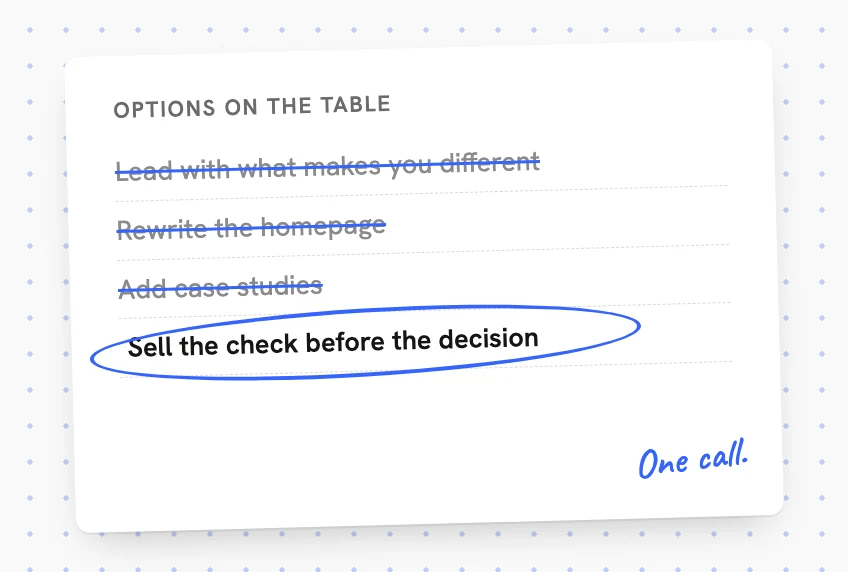
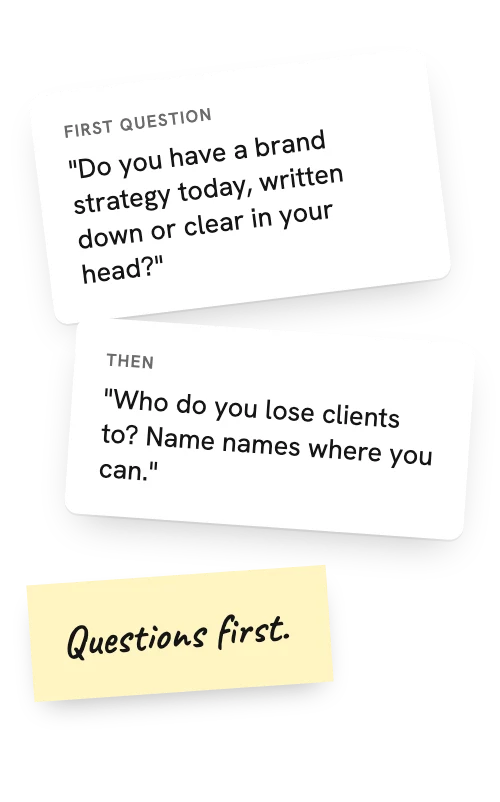
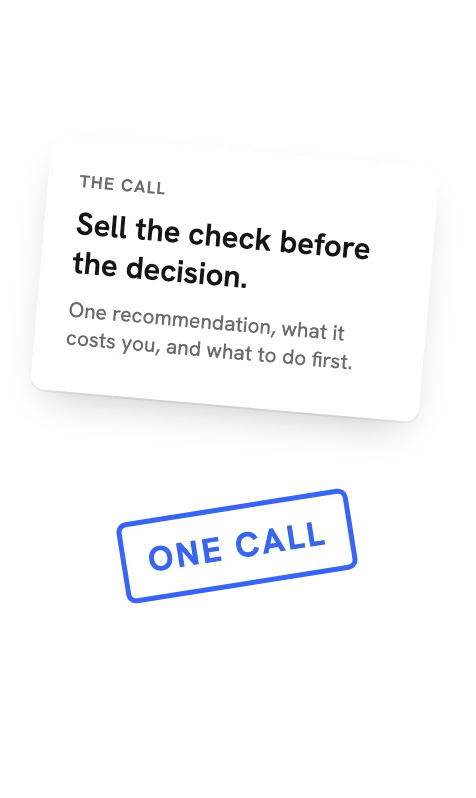
Two question cards: "Do you have a brand strategy today?" and "Who do you lose clients to?"An answer card, "Sell the check before the decision", stamped One call

Same brief. Two answers.

One naming brief, given to the same AI twice: once on its own, once with Brand Naming installed. A test run on 3 November 2026, not a customer.
The brief
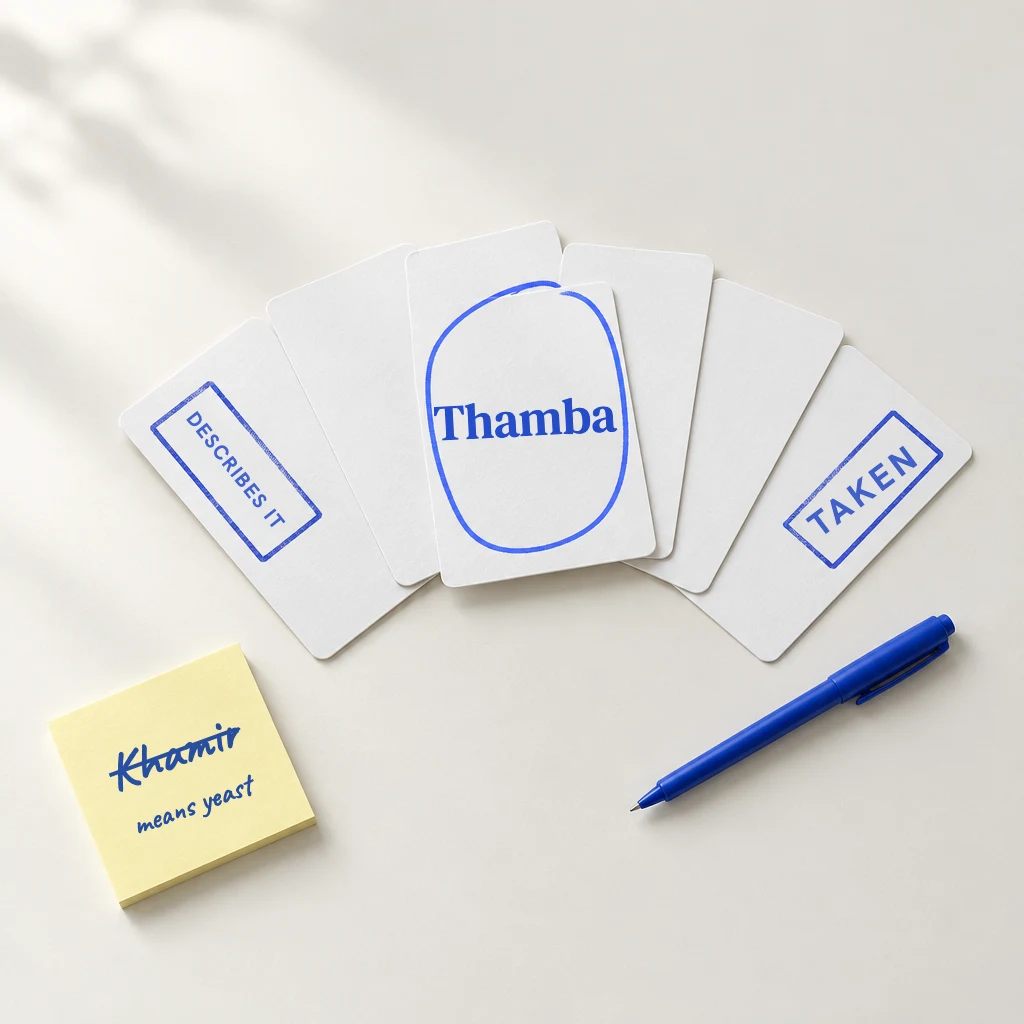
A sourdough bakery and café in Pune, opening in March. Warm, honest, a bit playful. Easy to say in English, Hindi and Marathi. The founder already has a favorite: Khamir.
The AI on its own
Asked no questions, gave 10 names, and recommended Khamir: "warm, honest and timeless".
With Brand Naming, by Brand Professor
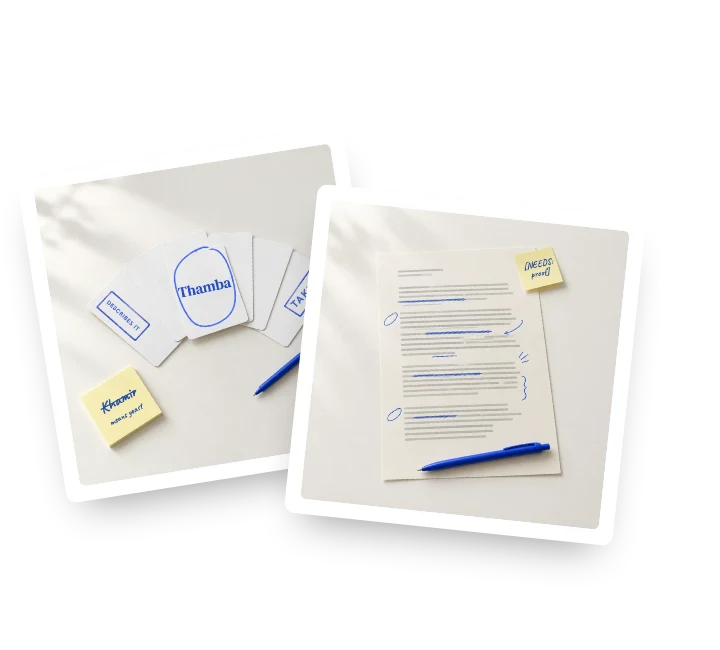
Asked 17 questions first, sorted 32 names, tested Khamir and cut it. Khamir means yeast, so it describes the product, and a sourdough bakery called Khamir already trades in Singapore. It recommended Thamba, with the domains it found taken, the risks in order, and the searches it couldn't run.
If the first answer looks familiar, that's the average answer. Read both answers in full

What they wrote back

“I asked it to sharpen my positioning. Instead it told me our main claim was one our closest competitor could make just as easily. It was right, and nobody else had said it.”
Founder, Sustainable Homeware Brand
“I took the strategy into a meeting with our board, and for the first time nobody argued about who we’re for.”
Managing Director, Manufacturing Company
“I’ve run a brand studio for 14 years. I expected nothing new. It asked two questions I now use with every client.”
Founder, Brand Studio

From people who have used Sahil Gandhi's skills, frameworks and processes in their own work. Names withheld at their request. Results vary from business to business.
It asks before it answers.

Plain AI answers the question you typed. These methods start with the questions a strategist would ask you first.
"Tell me your three biggest competitors. For each one, what is the most honest case they could make for why someone should pick them over you?"
Brand Strategy
"Which of these have you actually paid for? A customer you turned away, a cheaper option you refused, a late night you put in?"
Brand Strategy, on your values
"Which of these gaps would you rather I had not noticed?"
Brand Strategy, on what's in your way
"If the name cannot be both instantly clear and fully ownable, which wins?"
Brand Naming, on what the name must do

Why your AI sounds like everyone else's

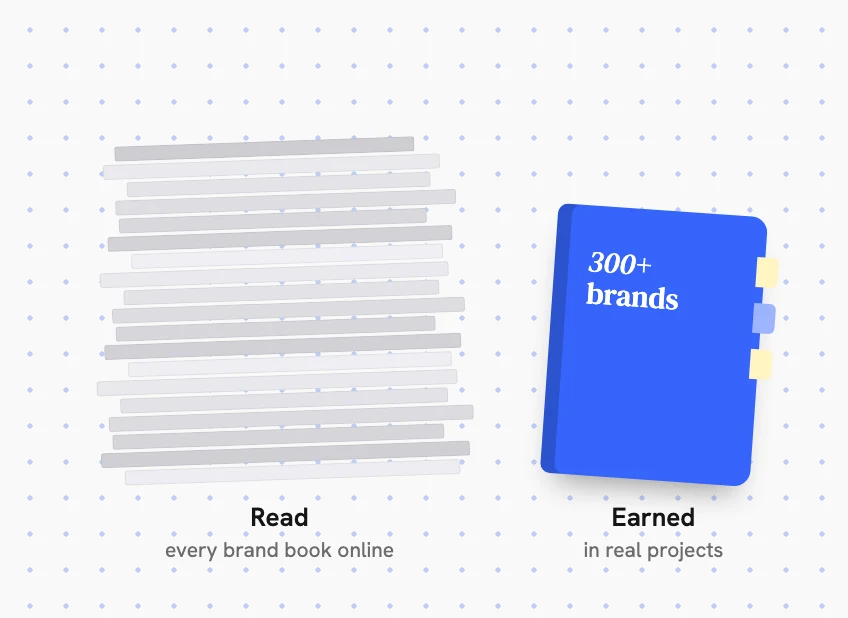
A tall stack of grey books beside one blue notebook marked 300+ brands

Read, not earned.

AI has read every brand book online. It has never lost a pitch or renamed a company that got it wrong. So it gives the answer most articles agree on.
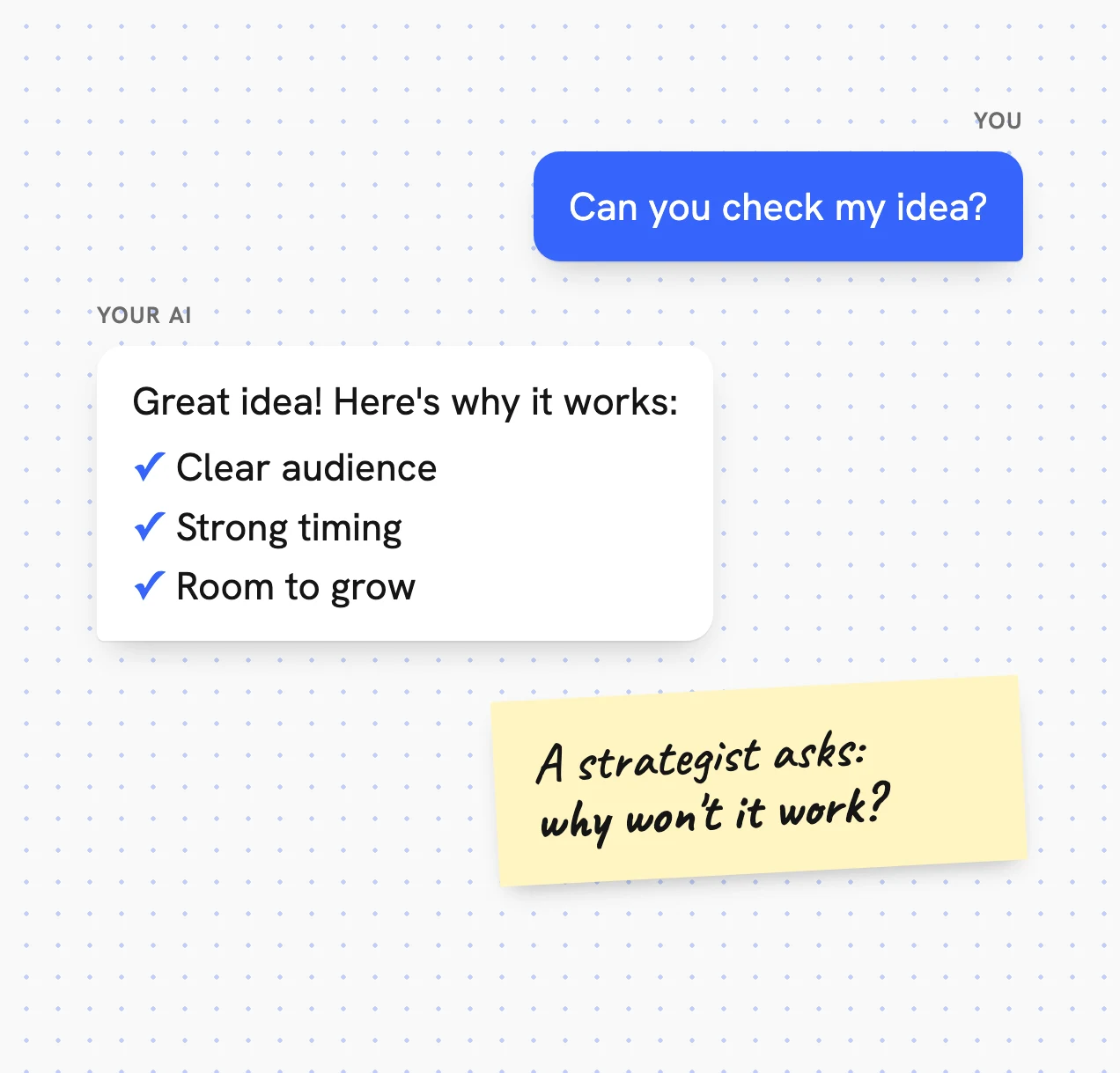
A chat where the AI answers "Great idea!" and a sticky note asks why won't it work?

It agrees with you.

Ask it to check your idea and it finds reasons the idea works. A strategist starts by looking for the reason it does not.

Earned in real work.

Each skill is one named expert's working method: what to ask first, what to reject, when to push back. Built from real projects, and never published before.
A list of options, three crossed out and one circled: Sell the check before the decision

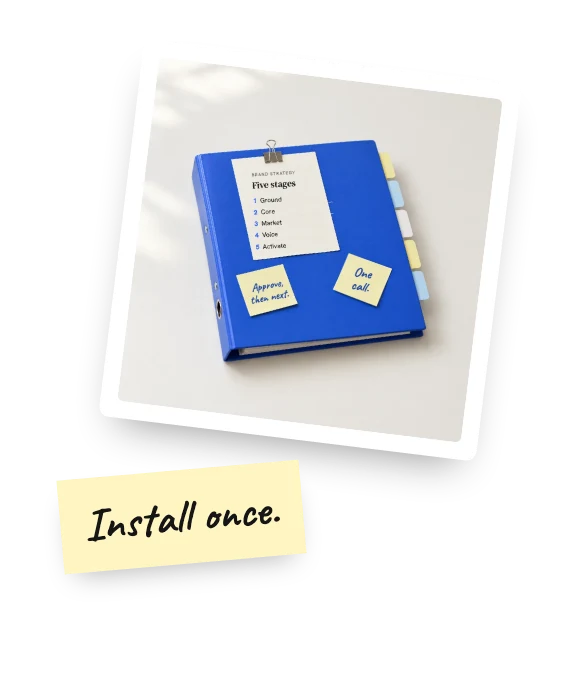
Install once. Use it on every brief.

1. Pick a method.

Read what it asks and what it refuses to do. Each one also has full sample runs, free to read.

2. Pay once.

One payment per skill, no subscription.

3. Install it in your AI.

Each product page lists the AI tools it works in. Then describe your problem in your own words.
A cartoon of Sahil Gandhi, Brand Professor, mid-stride, with a note reading 300+ brands

Built from 300+ brands, not from the internet

The first methods come from Sahil Gandhi (Brand Professor). What he decided inside those projects was never written up as articles, so your AI could not have read it. Now it can work from it.

300+

brands built

100+

AI systems built

See a full run before you buy

All three products have full sample runs: the brief, the questions, the answers and the parts that didn't hold. Fictional businesses, scripted founders, so you see the method, not a client's private work. Free to read.